PURPLE CONEFLOWER / ECHINACEA

No garden should be without this native flowering plant producing large, purplish pink flowers.
The common name obviously comes from the prominent cones in the center of a single layer of slightly reflexed petals. New hybrids offer more color and form choices now.
Purple coneflower is propagated by root or clump divisions. Plant this perennial carefully because it does not like being disturbed later.
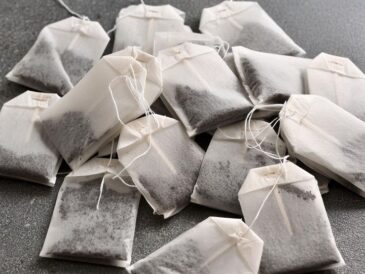
Flowering all through summer and into fall, its flowers can be harvested for making an herbal tea. In fact, all parts of the plant have medicinal properties.
ERYNGIUM (SEA HOLLY)

Silvery blue and spiky, the flowers and foliage of sea holly are strikingly different from those of usual garden plants. Consider adding it to your summer garden.
Tolerant of neglect, drought, poor soil, and salt sprays, they are a great choice for xeriscapes. Flower spikes last long and look great in both fresh and dry flower arrangements. Grow as specimen plants or bedding plants in sunny areas.
ASTER

The delicate daisy-like flowers of asters in pinks, purples, lavender, and white bring cheer to your garden from early summer to fall. Their cut-and-come back nature keeps your vases full and flower beds bright.
Asters can be started from seeds, but purchasing young plants is the best option. Plant them out in spring for summer blooming that usually extends to fall.
Asters do well in both full sun and partial sun, but they can’t stand too much heat. Rich and moist soil with good drainage brings out the best in these beauties.
DAYLILIES

Daylilies bloom from spring to fall. Each flower lasts for just one day, but a succession of them open up day in and day out, ensuring that your garden looks cheerful throughout.
The flowers are borne on long stalks that rise above the mound of leaves, so daylilies attract attention wherever they are. That makes them the best plants to brighten any remote corner of the garden.
Grow daylilies from divisions. The shorter hybrid Stella de Oro is great for small gardens. It also has the longest flowering season, spanning 5 months.
RUDBECKIA

This is a wildflower that earned a rightful place in our gardens by its large flowers and profuse flowering habit. The contrast between the bright yellow petals and the brownish black center disc makes these large, showy flowers all the more striking.
Rudbeckia is a perennial, but the smaller Rudbeckia hirta can be grown as an annual if started early enough.
In most zones they start flowering from early summer and continue on until fall. But flowering starts in fall and extends into winter in areas with hot summers.