
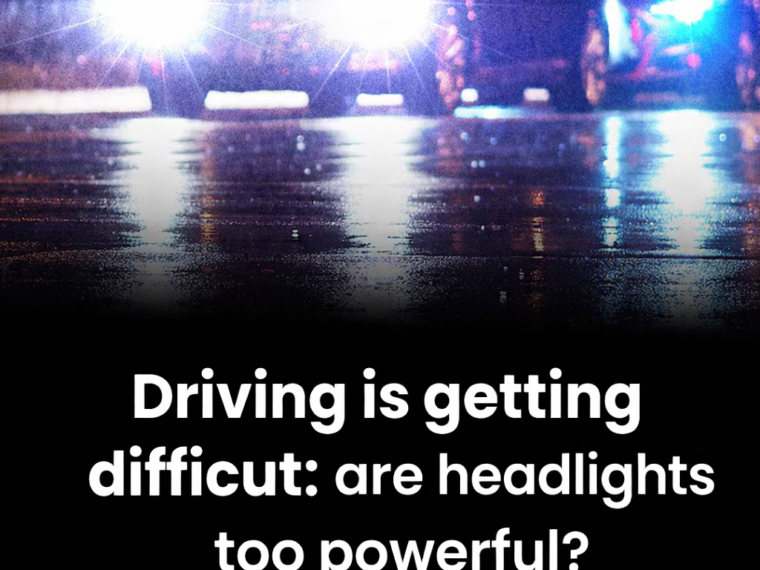
More and more drivers are complaining about a growing problem on the road: being blinded at night by modern car headlights. LEDs, xenon lights, automatic high beams… technology keeps advancing, but driving comfort sometimes seems to suffer. So, are today’s headlights really too bright? And more importantly, how should you react when it becomes dangerous?
🔦 Why Do Modern Headlights Cause More Glare?
Newer vehicles are often equipped with LED or xenon headlights, which are much more powerful than traditional halogen bulbs. While they are designed to improve visibility, several factors explain the excessive glare:
-
Higher light intensity
LED headlights produce a very white, daylight-like light that can be more tiring for the eyes at night. -
Improper headlight alignment
Headlights that are aimed too high can shine directly into the eyes of oncoming drivers. -
SUVs and taller vehicles
Their headlights are positioned higher than those of smaller cars, increasing glare—especially for drivers in lower vehicles. -
Poorly calibrated automatic headlights
Some automatic systems switch to low beams too late.
👀 What Are the Risks for Drivers?
Nighttime glare is more than just an annoyance:
-
Temporary loss of vision
-
Increased eye strain
-
Loss of road reference points
-
Slower reaction times
-
Higher accident risk, especially on poorly lit roads
✅ What Can You Do When You’re Blinded on the Road?
Fortunately, there are several simple steps you can take to protect yourself:
continue reading in page 2