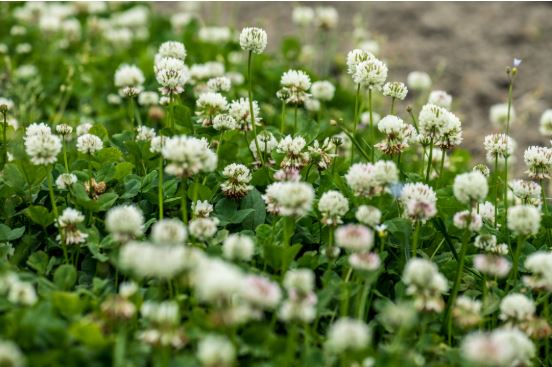
White clover (Trifolium repens), a common yet often overlooked plant, is one of nature’s most valuable gifts hiding in plain sight.
Found growing in lawns, meadows, pastures, and even sidewalk cracks, this unassuming wild herb is a nutrient-rich plant with medicinal, culinary, and environmental benefits.
From ancient herbal medicine to modern permaculture gardens, white clover is cherished for its edible leaves and flowers, soil-enhancing properties, and ability to attract pollinators.
In this comprehensive guide, you’ll learn everything you need to know about white clover – including its uses in homemade remedies, foraging tips, safety precautions, and why it’s a plant worth keeping around.
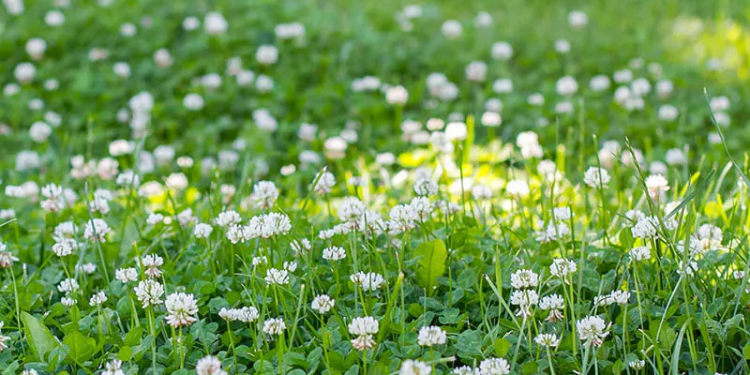
What Is White Clover (Trifolium repens)?
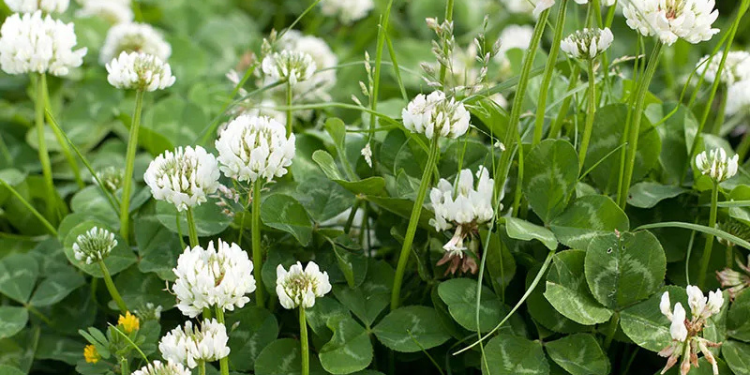
White clover is a perennial, low-growing plant in the legume family (Fabaceae). Native to Europe and Central Asia, it has naturalized across the globe and is now one of the most common wild plants in North America.
Identifying features:
- Leaves: Trifoliate (three-part) leaves with oval leaflets, often marked with a faint white crescent or “V” pattern.
- Flowers: Small, round, white flower heads made up of tiny individual florets. Sometimes tinged with pink.
- Growth habit: Spreads along the ground through creeping stems (stolons) and forms dense mats.
- Height: Typically 4 -10 inches tall.
- Bloom season: Late spring to early fall.
White clover is often confused with red clover (Trifolium pratense), but red clover grows taller and has pink-purple flowers.
Nutritional and Medicinal Properties of White Clover
White clover is edible and medicinal. It contains beneficial compounds that have been used for centuries in folk medicine and natural healing practices.
Nutritional profile:
- Rich in vitamin C, vitamin A, and trace minerals.
- Contains flavonoids, coumarins, and isoflavones.
- High in protein, especially in young leaves.
- Mildly alkaline, making it beneficial for balancing pH levels.
Medicinal actions:
- Detoxifying (supports lymphatic and liver function);
- Anti-inflammatory;
- Expectorant (helps clear mucus from lungs);
- Diuretic;
- Mildly sedative (relaxing properties).
10 Proven Benefits of White Clover
1. Natural Detoxification
White clover is a blood purifier and lymphatic cleanser. Traditional herbalists used it in tea form to support detox and to help eliminate waste products from the body.
2. Respiratory Relief
The plant acts as an expectorant, helping clear phlegm from the lungs. It’s often used in teas or infusions to ease coughs, bronchitis, or mild respiratory infections.
3. Skin Health and Wound Healing
Thanks to its anti-inflammatory and antimicrobial properties, crushed white clover leaves or poultices are applied to:
- Minor cuts
- Insect bites
- Rashes
- Burns
4. Digestive Support
White clover tea is mildly alkaline, making it soothing to the digestive system. It can help with:
- Indigestion
- Gas and bloating
- Mild gastrointestinal irritation
5. Antioxidant Boost
Flavonoids in white clover offer free radical protection, reducing oxidative stress and promoting overall wellness.
6. Soil Enrichment
As a nitrogen-fixing legume, white clover naturally enriches the soil. Its roots form symbiotic relationships with bacteria that pull nitrogen from the air and convert it into usable nutrients for surrounding plants.
7. Pollinator Attraction
Bees, butterflies, and other pollinators love white clover flowers. Growing it improves garden biodiversity and helps support declining bee populations.
8. Ground Cover and Lawn Replacement
White clover makes an excellent living mulch. It:
- Prevents erosion
- Reduces weeds
- Requires less mowing than grass
- Stays green even in drought
9. Culinary Use as a Wild Edible
Leaves and flowers are edible and can be:
- Tossed into salads
- Added to smoothies
- Steeped into teas
- Dried for long-term storage
10. Immune Support
The isoflavones and vitamin C found in white clover help strengthen the immune system, especially during cold and flu season.
Homemade Uses of White Clover
From teas and tinctures to poultices and infusions, white clover is incredibly versatile. Below are the most common homemade uses:
1. White Clover Tea
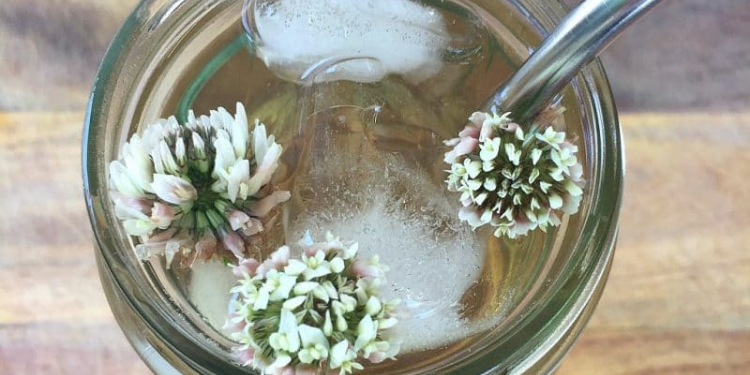
A mild herbal infusion that supports detox, respiratory health, and immune function.
How to make it:
- 1 tablespoon of dried flowers (or 2 tbsp fresh)
- 1 cup of hot water
- Steep for 10–15 minutes
- Optional: Add lemon, honey, or mint
Drink up to 2 cups daily for wellness support.
2. White Clover Salve for Skin
Use white clover-infused oil as a healing salve for skin issues.
Ingredients:
- 1 cup dried white clover
- 1 cup carrier oil (olive, coconut, or almond)
- Beeswax (for thickening)
Steps:
- Infuse the clover in oil over low heat (double boiler) for 2–3 hours.
- Strain and mix with melted beeswax.
- Pour into tins and cool.
Apply to cuts, scrapes, bites, and dry skin.
3. Soothing Poultice
Crush fresh white clover leaves into a paste and apply directly to insect bites, minor wounds, or skin irritation.
4. White Clover Tincture
Used for more concentrated medicinal applications, especially for coughs and immune support.
How to make it:
- Fill a glass jar with fresh clover flowers
- Cover with 80-proof alcohol (vodka or brandy)
- Let sit for 4–6 weeks in a dark place
- Shake occasionally, strain, and store in dropper bottles
Use 10–20 drops diluted in water as needed.
5. Infused Honey
Add dried clover flowers to raw honey for a subtly sweet herbal infusion. Let sit for 1–2 weeks, then strain. Great for tea or sore throat relief.
How to Find and Forage White Clover
White clover is easy to identify and forage, but responsible harvesting is key.
continue reading in page 2