

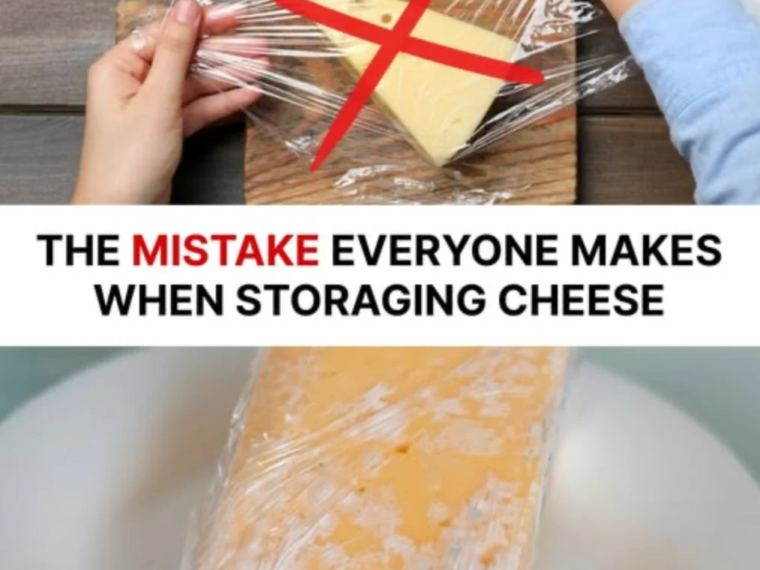
Have you ever bought fresh fruit and vegetables, only to find them spoiled a few days later? The problem might not be the food itself, but how you’re storing it.
From keeping bananas from ripening too quickly to preventing leafy greens from wilting, a few simple storage habits can make a big difference.
Here are some easy ways to keep everyday foods fresh for longer.
1. Store Fruits and Vegetables in the Right Places
Not everything belongs in the refrigerator. Some fruits and vegetables stay fresher at room temperature, while others need refrigeration.
-
Bananas: Keep them on the counter, away from direct sunlight.
-
Potatoes and onions: Store separately in a cool, dark, dry place.
-
Tomatoes: Keep them at room temperature until ripe.
-
Berries: Refrigerate them dry in a covered container.
-
Leafy greens: Refrigerate them with a little moisture control to prevent wilting.
-
Avocados: Let them ripen on the counter, then refrigerate once ripe.
A simple rule: always check whether a particular fruit or vegetable needs refrigeration before storing it.
2. Keep Fruits and Vegetables Separate
Some fruits naturally release a gas called ethylene, which speeds up ripening. This can make nearby vegetables spoil faster.
Apples, bananas, pears and avocados are among the fruits that produce ethylene.
Keep them away from sensitive vegetables such as broccoli, lettuce, cucumbers and asparagus whenever possible.
Food and Nutrition Administration+1
3. Don’t Wash Everything Before Storing It
Washing produce too early can leave excess moisture that encourages spoilage.
-
Wash berries shortly before eating.
-
Keep mushrooms dry and unwashed until needed.
-
Store most vegetables without washing.
-
Wash leafy greens before storing, then dry them thoroughly.
Avoid using soap or household cleaning products on fruits and vegetables.
Canada+1
4. Use Airtight Containers for Leftovers
Leftovers can stay fresher when stored in clean, airtight containers.
A few useful habits:
-
Divide large portions into smaller containers.
-
Label containers with the preparation date.
-
Keep cooked food separate from raw ingredients.
-
Refrigerate perishable leftovers within two hours.
-
Freeze portions you won’t eat soon.
These habits also help prevent food contamination.
FDA+1
5. Set Your Refrigerator to the Right Temperature
continue reading in page 2


