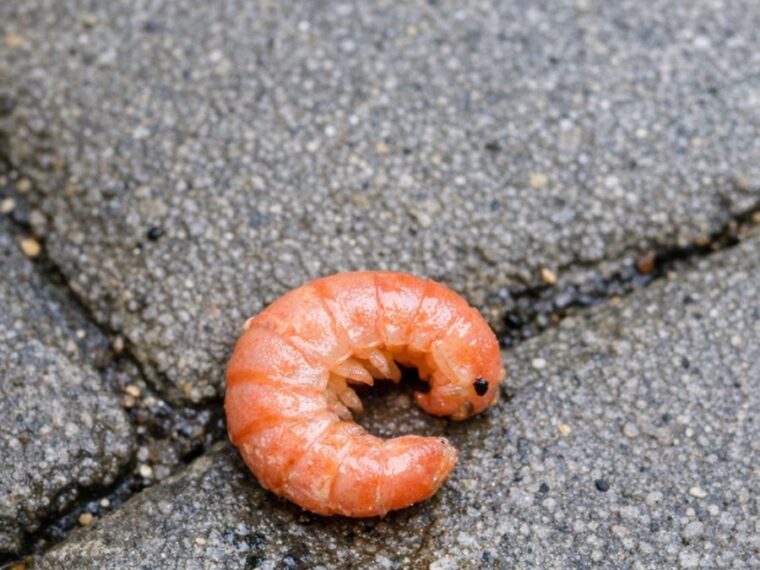
After a night of heavy rains, you might wake up to find your walkway littered with strange, pinkish-orange creatures that resemble tiny cooked shrimp. This sight can be quite puzzling, especially if you live far from the coast and are certain these critters have no business being there. The phenomenon of finding these peculiar creatures sprawled across your yard is not uncommon and can be explained by a closer look into their origins and habits.
While the appearance of these creatures may initially cause concern, the reality is they are relatively harmless. Known commonly as ‘lawn shrimp’ or terrestrial amphipods, these small crustaceans emerge during wet weather, only to be caught off-guard by the sudden dryness that follows. Understanding why these creatures appear and how to deal with them can help alleviate the confusion and concern they cause.
1. Meet the “Lawn Shrimp”: The Tiny Creatures On Your Walkway
Lawn shrimp, scientifically known as Arcitalitrus sylvaticus, are terrestrial amphipods that typically measure around 5 to 10 millimeters in length. They are not true shrimp, but their appearance is somewhat reminiscent of their aquatic relatives. These small creatures thrive in moist environments, often found in gardens and yards where they can remain hidden under leaf litter or mulch.
In their natural habitat, lawn shrimp are generally harmless, feeding on decaying plant matter and helping to recycle nutrients back into the soil. Their presence can go unnoticed until heavy rains force them to seek refuge on higher ground, such as walkways and patios. Unfortunately, once the rains subside, these tiny creatures are often left stranded and dry out quickly, resulting in the pinkish-orange appearance that many homeowners are familiar with.
2. Why They Look Like Cooked Shrimp (But Aren’t From the Ocean)
The resemblance between lawn shrimp and cooked shrimp is striking, primarily due to their similar coloring and curled-up posture upon death. This similarity is purely coincidental, as lawn shrimp are terrestrial and have no connection to marine environments.
The pinkish-orange hue of dead lawn shrimp is a result of the carotenoid pigments present in their exoskeleton. When they die and dry out, these pigments become more pronounced, similar to how lobster and shrimp shells change color when cooked. Despite their misleading appearance, lawn shrimp are a completely different species adapted to life on land.
3. The Science Name: What Species Lawn Shrimp Actually Are
Lawn shrimp belong to the species Arcitalitrus sylvaticus, which is part of the Talitridae family within the order Amphipoda. Originally native to Australia, they have spread to various parts of the world, particularly in regions with warm, humid climates.
These terrestrial amphipods have adapted remarkably well to environments outside their native range, often hitching rides in potted plants and soil. Once established, they can thrive in a variety of settings, provided there is enough moisture and organic material to sustain them.
4. How Heavy Rains Turn Your Yard Into a Lawn Shrimp Graveyard
Lawn shrimp thrive in moist environments but are highly susceptible to drowning in waterlogged conditions. During heavy rains, their usual habitats become inundated, forcing them to seek higher ground to escape the water.
As they move to drier areas, such as walkways and patios, they often find themselves trapped once the rain stops. Without the moisture they need to survive, lawn shrimp quickly dry out and perish, leaving behind their distinctive pinkish-orange carcasses scattered across the ground.
5. Where Lawn Shrimp Live When They’re Not On Your Concrete
In their natural environment, lawn shrimp reside in the moist, shaded areas of gardens and yards. They are typically found under layers of mulch, leaf litter, and other organic debris where they can stay hidden and protected from the sun.
These areas provide the necessary humidity and food sources that lawn shrimp need to thrive. They are detritivores, feeding on decaying plant material, which helps to maintain the health of the soil by breaking down organic matter into nutrients that can be used by plants.
6. Why They Turn Pinkish-Orange After They Die and Dry Out
The pinkish-orange coloration of dead lawn shrimp is primarily due to the presence of carotenoid pigments in their exoskeleton. These pigments are common in many crustaceans and are responsible for the vibrant colors seen in cooked shrimp and lobsters.
When lawn shrimp die and their bodies dry out in the sun, these pigments become more visible, giving them the appearance of tiny cooked shrimp. This process is similar to the way carotenoids become more pronounced in seafood when exposed to heat.
7. Are Lawn Shrimp Dangerous to People, Pets, or Plants?
Lawn shrimp are not dangerous to humans, pets, or plants. They do not bite, sting, or transmit diseases, making them more of a nuisance than a threat.
In gardens, lawn shrimp can actually be beneficial as they help decompose organic matter, contributing to soil health. Their presence is generally an indicator of a well-maintained, moist environment, although excessive numbers may suggest issues with drainage or overwatering.
8. How To Clean Them Up Quickly and Safely
Cleaning up dead lawn shrimp is a straightforward process. Using a broom or leaf blower, you can easily sweep them away from walkways and patios. A dustpan can help collect them for disposal in the trash.
If you prefer a more hands-off approach, using a garden hose to spray them away is effective, allowing the water to carry them into the soil where they can decompose naturally. Ensure that any runoff is directed away from areas where they might become a problem again.
9. Simple Ways To Prevent Future Lawn Shrimp Invasions
Preventing future invasions of lawn shrimp involves managing moisture levels in your garden and yard. Ensure proper drainage to prevent waterlogging, and avoid overwatering plants, especially during the rainy season.
Using mulch sparingly and keeping it away from the base of your house can also help reduce the chance of lawn shrimp making their way onto walkways and patios. Regularly raking leaves and removing excess organic debris can make your yard less hospitable to these creatures.
10. When an Infestation Signals a Bigger Yard or Drainage Problem
While lawn shrimp are generally harmless, a large number of them appearing on your property may indicate underlying issues with drainage or moisture management. Persistent waterlogging or poor drainage can create an ideal environment for lawn shrimp and other pests.
Inspect your yard for areas where water tends to pool, and consider implementing solutions such as French drains or regrading to improve water flow. Addressing these issues can help prevent not only lawn shrimp invasions but also other moisture-related problems in your yard.
11. When To Worry (And When To Just Hose Them Away)
In most cases, the presence of lawn shrimp is not a cause for concern. They are harmless and can be easily managed with basic yard maintenance. However, if you notice an unusually large number of them, it might be worth investigating potential drainage issues or overwatering in your garden.
For the average homeowner, simply hosing them away or sweeping them up is sufficient. Keeping an eye on yard conditions and adjusting care practices accordingly will help minimize their presence in the future. If you suspect a more significant problem, consulting a landscaping professional can provide guidance on appropriate corrective measures.