Delving into the annals of equine history reveals a world shaped by necessity, ingenuity, and deep respect for these powerful animals. Among the many tools that once defined horse care, few are as intriguing—or as unusual—as the antique horse drencher.
At first glance, this peculiar device might seem confusing, even unsettling. But decades ago, it was an essential instrument in the daily work of veterinarians, playing a crucial role in keeping horses healthy during a time when modern medical tools simply did not exist.
This article may contain affiliate links. I may earn a small commission at no extra cost to you. [See full disclosure here.]
🕰️ A Glimpse Into the Past
Gifted from a father to his child years ago, this antique drencher is more than just an object—it is a tangible connection to a different era. It tells the story of a time when caring for horses required creativity, patience, and hands-on skill.
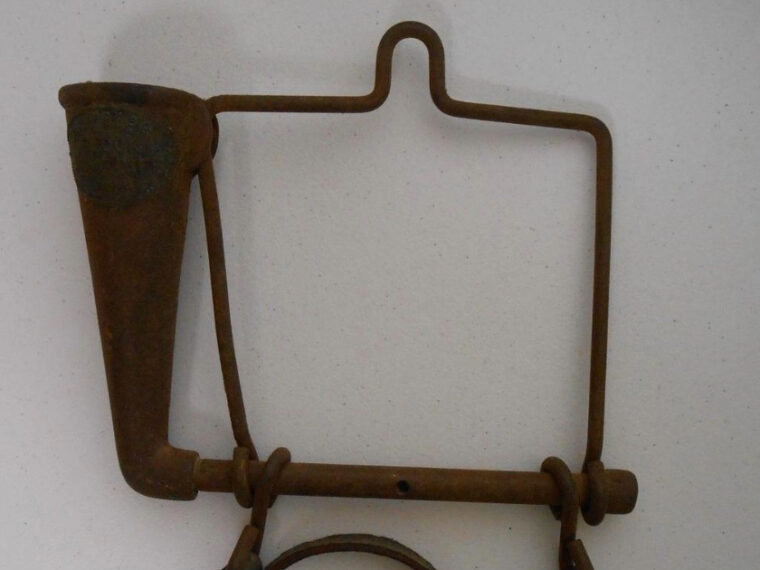
The early draught-horse drenching bit, now often found in museums or private collections, was widely used in the mid-20th century. Veterinarians relied on it to administer liquid remedies such as paraffin oil, castor oil, or Epsom salts—especially for treating colic, a serious and potentially life-threatening condition in horses.
⚙️ How the Drencher Worked
Crafted primarily from brass and paired with a sturdy leather strap, the drencher was designed to resemble a standard horse bit. However, its function was far more specialized.
A brass funnel was attached to the top, allowing liquids to be poured directly into the device. Once in place, the veterinarian would gently secure the bit in the horse’s mouth and use a rope attached to lift the horse’s head. This positioning allowed gravity to guide the liquid through the hollow bit and down the horse’s throat.
While effective for its time, the process required precision and care. Any mistake could cause discomfort—or worse—for the animal.
🔄 The Evolution of Equine Veterinary Care
As veterinary science progressed, so did the methods used to treat horses. By the 1950s, safer and more efficient techniques began to replace the drencher.
Veterinarians transitioned to using stomach tubes inserted through the horse’s nostrils, allowing for more controlled and less stressful administration of treatments.
“Today, tools like oral dosing syringes make the process even simpler and safer for both horses and handlers. [See modern options here]”
This shift marked the gradual disappearance of drenching bits, turning them into historical artifacts rather than everyday tools.
🛠️ Craftsmanship and Design
Examining an antique drencher up close reveals the remarkable craftsmanship behind it. The polished brass, the carefully shaped funnel, and the durable leather strap all speak to a time when tools were built to last.
Each detail served a purpose, and many of these devices were adapted for different horse sizes—especially larger draught horses, which required stronger and more durable equipment.
🌿 From Necessity to Heritage
Today, the horse drencher is no longer a practical tool—it is a symbol of how far equine care has come.
Modern horse owners now rely on advanced veterinary care, improved nutrition, and daily maintenance routines to keep their animals healthy.
“Many horse owners today use complete grooming kits to maintain their horses’ well-being and comfort. [Explore popular kits here]”
📚 Why These Artifacts Still Matter
Preserving tools like the antique drencher is not just about nostalgia—it’s about understanding progress.
They remind us of:
- The challenges veterinarians once faced
- The innovation required to overcome them
- The deep bond between humans and horses
“For those interested in learning more, several books explore the fascinating evolution of equine care and veterinary practices. [Discover them here]”
🐎 Final Thoughts
The antique horse drencher may look strange to modern eyes, but it represents a time when veterinary care relied heavily on human ingenuity and determination.
Today, as technology continues to improve animal care, these relics stand as powerful reminders of the journey we’ve taken—and how much we’ve learned along the way.