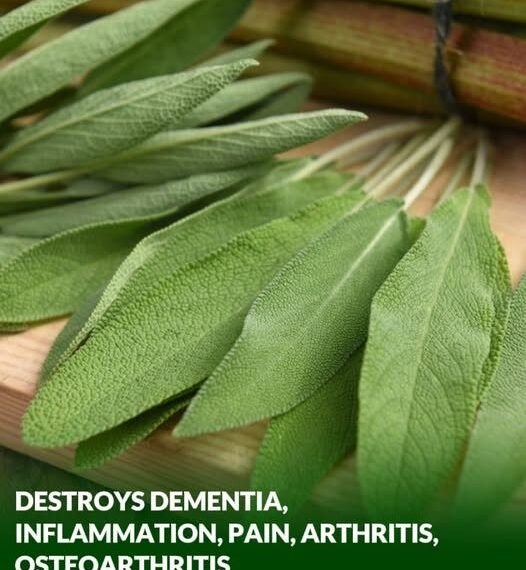
Sage is one of the most valued aromatic herbs in traditional cooking and natural wellness. Known for its distinctive earthy flavor and therapeutic properties, sage has been used for centuries in kitchens, herbal medicine, and even spiritual rituals.
The most common variety, Salvia officinalis, is native to the Mediterranean region and belongs to the mint family. Its soft, gray-green leaves and warm, slightly peppery aroma make it both beautiful and useful.
1. Culinary Benefits of Sage
Sage is a staple in Mediterranean and European cuisine. Its bold flavor pairs especially well with rich foods.
Popular Culinary Uses:
-
Seasoning for poultry, turkey, and stuffing
-
Flavoring sausages and roasted meats
-
Infused into butter for pasta dishes
-
Added to soups and stews
-
Used in herbal teas
Because of its strong taste, a small amount goes a long way. Fresh leaves provide a milder flavor, while dried sage is more concentrated.
2. Medicinal and Health Benefits
Sage has long been used in traditional herbal medicine. It contains antioxidants and plant compounds that may support overall health.
Common Traditional Uses:
Digestive Support
Sage tea has been used to ease bloating, indigestion, and mild stomach discomfort.
Sore Throat Relief
Due to its natural antimicrobial properties, sage gargles are sometimes used to soothe throat irritation.
Memory and Brain Support
Some studies suggest sage may help support cognitive function and memory.
Anti-Inflammatory Properties
The plant contains compounds that may help reduce inflammation.
Hormonal Support
Sage has traditionally been used to help manage hot flashes and menopausal symptoms.
While promising, herbal remedies should not replace medical treatment. Always consult a healthcare provider for persistent symptoms.
3. Aromatic and Spiritual Uses
Sage has also been valued beyond the kitchen.
Burning sage, often called “smudging,” is a traditional practice in some cultures for cleansing spaces and promoting calm. The variety commonly used for this purpose is Salvia apiana.
The scent of sage is known to:
-
Promote relaxation
-
Reduce stress
-
Freshen indoor air naturally
4. Ornamental and Garden Benefits
Sage is also an attractive addition to gardens.
Why Gardeners Love It:
-
Drought-tolerant once established
-
Low maintenance
-
Attracts pollinators like bees
-
Produces beautiful purple-blue flowers
It thrives in sunny locations with well-drained soil.
5. How to Use Sage Safely
Although sage is natural, it should be used responsibly.
-
Culinary amounts are generally safe.
-
Concentrated essential oils should be used cautiously.
-
Pregnant women should consult a doctor before using medicinal amounts.
Large doses of certain sage extracts may not be suitable for long-term use.
Final Thoughts
Sage truly lives up to its reputation as a plant of “a thousand virtues.” Whether enhancing your favorite recipes, supporting wellness, scenting your home, or beautifying your garden, this ancient herb continues to earn its place in modern life.