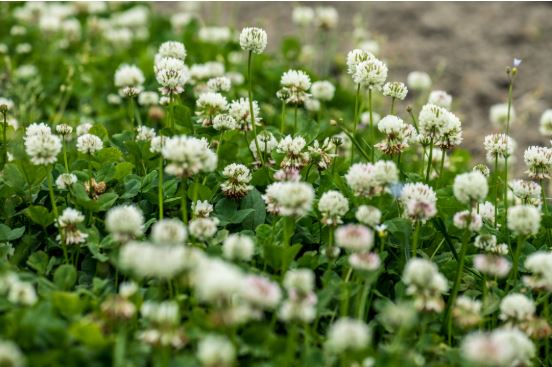
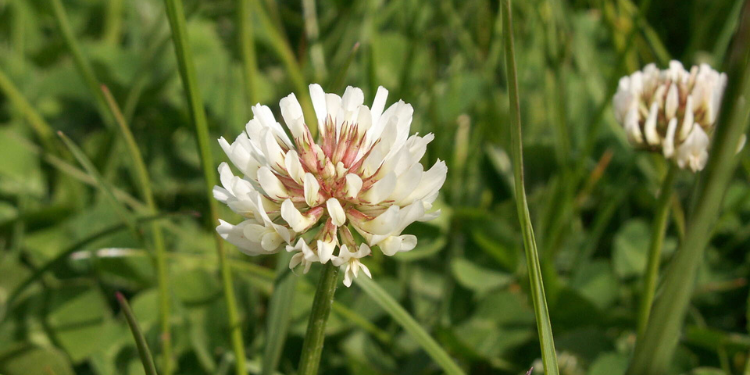
Where It Grows:
- Yards and lawns
- Open fields and pastures
- Along trails and roadsides
- Edges of forests
- Sunny, grassy areas with moderate moisture
When to Harvest:
- Leaves: Spring through fall (best when young and tender)
- Flowers: Late spring to early fall, when fully bloomed but not browned
Foraging Tips:
- Harvest from areas free of pesticides, fertilizers, and pet traffic.
- Pick only the top parts – leaves and flowers.
- Avoid clover from roadsides due to pollution.
- Never over-harvest from one patch.
- Rinse thoroughly before use.
Precautions and Side Effects
While white clover is generally safe, there are a few precautions to consider:
1. Allergic Reactions
Some individuals may have a mild allergic reaction, especially if allergic to other legumes or flowering plants.
2. Blood Thinning Effects
White clover contains coumarins, which may thin the blood. Avoid use if you’re on blood-thinning medications (like warfarin) or have bleeding disorders.
3. Hormonal Activity
Contains plant estrogens (isoflavones). Avoid or limit use during pregnancy, breastfeeding, or if you have estrogen-sensitive conditions.
4. Mold Risks in Spoiled Clover
Never use fermented or spoiled white clover, as it may contain harmful compounds (like dicoumarol) that can interfere with blood clotting.
5. Always Consult Your Doctor
If you’re taking medications, managing a chronic condition, or pregnant/nursing, consult a qualified healthcare professional before using white clover medicinally.
White Clover vs. Red Clover: What’s the Difference?
| Feature | White Clover (Trifolium repens) | Red Clover (Trifolium pratense) |
|---|---|---|
| Flower color | White or white-pink | Purple-pink |
| Growth habit | Low and creeping | Upright, bushy |
| Leaf pattern | Often has white crescent markings | Similar trifoliate leaves |
| Medicinal use | Mild and gentle | Stronger, with phytoestrogen effects |
| Culinary use | More commonly eaten raw | Often used in teas and infusions |
Both are edible and medicinal, but white clover is milder and more commonly used in daily foraging or casual home remedies.
White clover may be a common lawn weed to some, but for foragers, herbalists, and natural gardeners, it’s a valuable plant with healing, nutritional, and environmental benefits.
Whether you use it as a ground cover, brew it into a tea, or make it into a healing salve, white clover deserves a place in your wellness and gardening toolkit.
It’s free, abundant, easy to identify, and surprisingly versatile—nature’s quiet multitasker that’s always within reach.