Canned tomatoes are a kitchen staple in millions of households. They are affordable, convenient, and widely used in pasta sauce, soups, stews, chili recipes, and meal prep. Thanks to modern food preservation methods and commercial canning technology, they offer a long shelf life without refrigeration.
However, seeing bubbles rise immediately after opening a can can raise concerns about food safety, spoilage, or even food poisoning.
Is it normal pressure release — or a warning sign of contamination?
Understanding the difference can help you avoid foodborne illness and protect your household.
1. The Most Common Cause: Dissolved Gases (Usually Harmless)
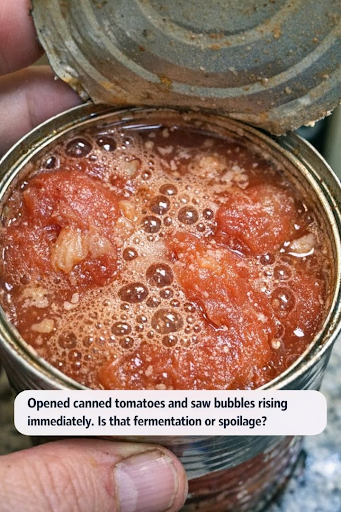
In most cases, immediate bubbling is completely normal.
During the high-temperature canning process, tomatoes are sealed in an airtight, pressurized environment. Heat processing removes air and destroys harmful bacteria, while also creating internal pressure inside the can.
Some gases remain dissolved in the tomato liquid under pressure. When you open the can:
-
Pressure drops suddenly
-
Dissolved gases are released
-
Small bubbles rise to the surface
This is similar to what happens when opening sparkling water — minus the carbonation.
Normal bubbles are:
-
Small and clear
-
Short-lived
-
Not accompanied by foam
-
Not associated with any unusual odor
If the tomatoes look vibrant red and the liquid is clear, the bubbling is likely harmless.
2. Fermentation in Canned Tomatoes: A Possible Warning Sign
Bubbles caused by fermentation are different from pressure-release bubbles.
Fermentation occurs when microorganisms such as yeast or bacteria grow inside the can. This can happen if:
-
The seal was compromised
-
The can was damaged or dented
-
Storage conditions were too warm
-
The product was improperly processed
Microbial growth produces carbon dioxide gas, which leads to continuous bubbling or foam formation.
Signs of fermentation may include:
-
Persistent bubbling
-
Froth or foam on the surface
-
Sour or alcoholic smell
-
Cloudy liquid
If you notice these signs, the canned tomatoes may not be safe to consume.
3. Red Flags That Suggest Spoilage
When evaluating canned food safety, always check for these warning signs:
Bulging or Swollen Can
A bloated can is a serious red flag. Gas buildup from bacterial activity can cause the can to expand. Do not open or taste contents from a bulging can.
Foul or Off Odor
Fresh canned tomatoes should smell mildly acidic and tomato-like.
Discard the product immediately if you detect:
-
Sour smell
-
Rotten odor
-
Yeasty or fermented scent
-
Metallic or chemical smell
Texture and Color Changes
Spoiled tomatoes may appear:
-
Slimy
-
Unusually mushy
-
Discolored
-
Brownish instead of red
-
Surrounded by cloudy liquid
Any significant change in texture or color can indicate bacterial contamination.
4. Botulism and Canned Foods: When to Be Seriously Concerned
One of the most serious risks associated with improperly canned food is botulism, caused by the bacterium Clostridium botulinum.
Although commercially canned tomatoes are generally safe due to their acidity and strict food safety regulations, contamination can occur in rare cases.
Warning signs that require immediate disposal:
-
Severely bulging can
-
Leaking or spurting liquid upon opening
-
Strong off odors
-
Visible mold
Never taste food from a can that appears compromised. Botulinum toxin is odorless and extremely dangerous, even in small amounts.
If in doubt, throw it out.
5. How Storage Conditions Affect Shelf Life
Proper food storage plays a major role in preventing canned food spoilage.
For maximum shelf stability:
-
Store canned goods in a cool, dry place
-
Avoid exposure to direct sunlight
-
Keep away from high heat
-
Avoid freezing temperatures
High temperatures can weaken seals and accelerate bacterial growth. Always check expiration dates and avoid purchasing cans with dents, rust, or damaged seams.
6. The Smell and Visual Test: Your Best Defense
Before using canned tomatoes in any recipe, quickly assess:
-
Can condition
-
Smell after opening
-
Appearance of the liquid
-
Texture of the tomatoes
Normal:
-
Clear liquid
-
Bright red color
-
Clean tomato aroma
-
Brief bubbling only
Abnormal:
-
Foam or froth
-
Sour smell
-
Cloudy liquid
-
Discoloration
Trust your senses. Food poisoning prevention starts in your own kitchen.
7. Smart Shopping and Food Safety Habits
To reduce the risk of encountering spoiled canned tomatoes:
-
Buy from reputable brands
-
Check manufacturing and expiration dates
-
Avoid heavily dented cans
-
Rotate pantry stock regularly
-
Follow proper food storage guidelines
Practicing safe food handling and storage significantly reduces the risk of contamination and foodborne illness.
Final Verdict: Fermentation or Harmless Pressure Release?
If bubbles appear briefly and everything else looks, smells, and tastes normal, it is most likely dissolved gas from the canning process.
However, if bubbling is accompanied by foam, sour odor, discoloration, or a swollen can, discard immediately.
Food safety should always come first. When dealing with canned goods and potential spoilage, caution is the smartest choice.