
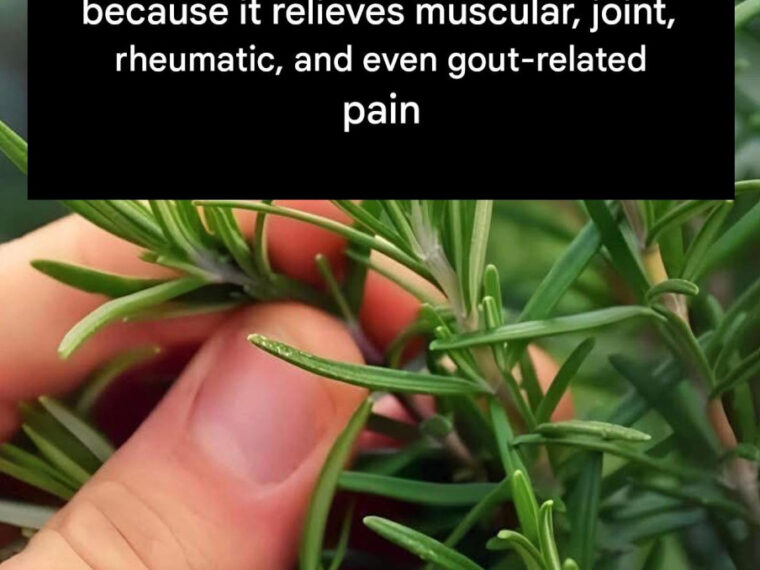
Imagine having a natural pain reliever at your fingertips — one that can help soothe muscle pain, joint inflammation, rheumatic discomfort, and even the sharp, burning agony of gout attacks. This remedy doesn’t come from a pharmacy but from a humble plant you may already have growing in your garden or sitting in your spice rack: rosemary.
Far more than just a fragrant herb for grilled meats or roasted potatoes, rosemary (Rosmarinus officinalis) has been valued for centuries in natural medicine for its anti-inflammatory, antioxidant, and analgesic properties. Today, health experts and herbalists alike recognize its potential as a complementary approach to pain relief and inflammation management, making it an appealing alternative for those looking to reduce dependence on over-the-counter painkillers or prescription drugs.
🌱 Why Rosemary is Called “Natural Morphine”
The nickname may sound bold, but it is rooted in science. Rosemary contains several powerful bioactive compounds that work synergistically to deliver pain management benefits:
-
Rosmarinic acid – A potent antioxidant with anti-inflammatory properties that help reduce swelling and joint stiffness, especially useful for osteoarthritis pain relief and rheumatic pain management.
-
Cineole (Eucalyptol) – Known for its analgesic and anti-inflammatory effects, cineole can reduce the perception of pain while supporting respiratory health and improving circulation.
-
Terpene compounds – Promote better blood flow, muscle relaxation, and reduced inflammation, all of which are essential for chronic pain treatment and recovery from sports injuries.
💪 Health Benefits of Rosemary Infusion
Regular consumption of rosemary tea may bring a wide range of benefits beyond pain relief, making it a valuable addition to your natural wellness routine.
-
Muscular Pain and Post-Workout Recovery
-
After intense training or heavy physical activity, rosemary tea can help relieve sore muscles and reduce inflammation, promoting faster recovery without relying on NSAIDs (nonsteroidal anti-inflammatory drugs).
-
-
Joint Pain & Osteoarthritis Support
-
The herb’s anti-inflammatory properties make it a potential ally for those dealing with osteoarthritis symptoms, stiffness, and reduced mobility.
-
-
Rheumatism Relief
-
The gentle analgesic effect may help manage persistent pain associated with chronic rheumatism, improving daily comfort and quality of life.
-
-
Support for Gout Sufferers
-
While not a cure for gout, rosemary infusion may help ease inflammation during flare-ups when combined with doctor-recommended uric acid treatments.
-
🍵 How to Prepare Rosemary Infusion for Pain Relief
Ingredients
-
1 to 2 teaspoons of fresh or dried rosemary leaves
-
250 ml of hot water
-
Optional: 1 teaspoon of raw honey or a few drops of fresh lemon juice
Preparation
-
Bring water to a gentle simmer.
-
Place rosemary in a cup or teapot.
-
Pour hot water over the leaves.
-
Let it steep for 5–10 minutes for optimal potency.
-
Strain before drinking.
Dosage
-
Enjoy 1 to 3 cups daily as part of a balanced anti-inflammatory diet.
⚠ Precautions & Safety Guidelines
While rosemary is generally safe, it’s important to use it responsibly:
-
Pregnant or breastfeeding women should consult their doctor before frequent use.
-
Individuals with high blood pressure or certain medical conditions should monitor their intake.
-
Rosemary oil (concentrated extract) should never be consumed undiluted due to its potency.
💡 Final Thoughts: A Simple, Affordable Way to Support Pain Relief Naturally
In an age where healthcare costs and chronic pain management expenses are skyrocketing, discovering a safe, inexpensive, and home-based remedy is invaluable. Rosemary infusion might not replace prescription medication for serious conditions, but as part of a holistic pain management plan, it can offer gentle yet noticeable relief.
If you’re looking for ways to support joint health, ease muscle pain, and improve overall well-being, this humble kitchen herb could be your next daily habit — combining centuries-old herbal wisdom with modern knowledge in natural health care.