Vinegar has long been praised as a natural laundry miracle. From whitening dull clothes to restoring the softness of stiff towels, this humble kitchen staple can outperform many commercial products. Yet despite its popularity, most people are using vinegar incorrectly, which means they’re missing out on its full benefits — or worse, damaging their laundry routine.
Here’s how to use vinegar the right way and finally get the fresh, soft, bright results everyone talks about.
Why Vinegar Works So Well in Laundry
White distilled vinegar is mildly acidic, which makes it incredibly effective at:
-
Breaking down detergent residue
-
Dissolving mineral buildup from hard water
-
Neutralizing odors (not masking them)
-
Softening fibers naturally
-
Brightening whites and reviving colors
Unlike fabric softeners, vinegar doesn’t coat fabrics. Instead, it cleans them at the fiber level, leaving clothes truly fresh.
The Most Common Vinegar Mistakes
❌ Pouring Vinegar Directly on Clothes
This can weaken fibers over time and cause uneven fading, especially on delicate fabrics.
❌ Mixing Vinegar with Detergent
Vinegar cancels out detergent’s cleaning power. Using both together reduces effectiveness.
❌ Using Too Much
More vinegar does not mean better results. Excess can leave fabrics stiff or smelling sour.
❌ Using the Wrong Type
Only white distilled vinegar should be used. Apple cider vinegar can stain clothes.
How to Use Vinegar Correctly in Laundry
✔ For Softer Towels (Without Fabric Softener)
-
Add ½ cup of white vinegar to the fabric softener compartment
-
Do not use fabric softener at the same time
-
Wash as usual
👉 This removes detergent residue that causes towels to feel stiff and less absorbent.
✔ For Whiter Whites
-
Add 1 cup of white vinegar during the rinse cycle
-
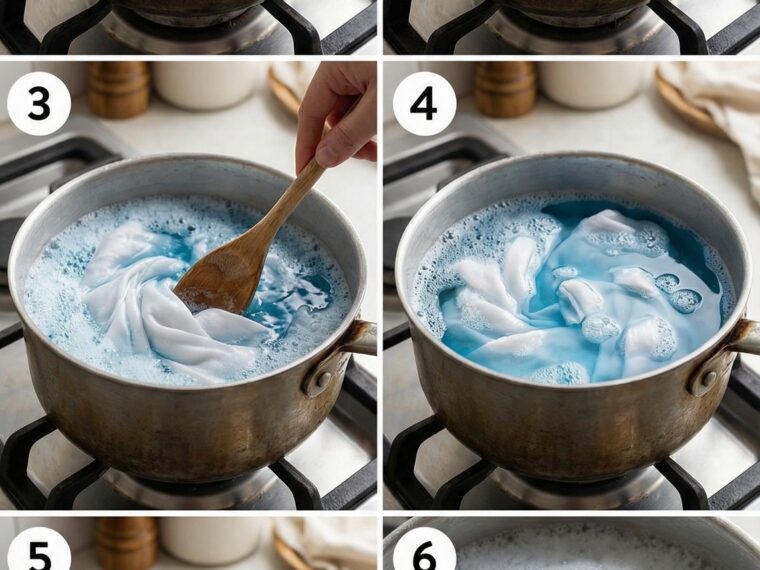
For very dull whites, soak clothes in warm water with 1 cup vinegar for 1 hour before washing
👉 Vinegar dissolves yellowing caused by minerals and detergent buildup.
✔ To Remove Odors (Sweat, Musty Smells)
-
Add 1 cup of vinegar to the rinse cycle
-
For strong odors, pre-soak clothes for 30 minutes
👉 Vinegar neutralizes odors instead of masking them like scented products.
✔ To Reduce Static & Lint
-
Vinegar naturally reduces static cling
-
It also helps release pet hair and lint from fabrics
What Vinegar Should NOT Be Used On
Avoid vinegar on:
-
Silk
-
Wool
-
Leather
-
Rubber-backed items
The acidity can damage these materials.
Bonus Tip: Restore Old Towels Completely
For towels that feel rough and smell musty:
-
Wash once with ½ cup baking soda (no detergent)
-
Wash again with 1 cup vinegar (no detergent)
This deep-cleaning combo strips years of residue and revives towels dramatically.
The Bottom Line
Vinegar isn’t just a cheap alternative — it’s a powerful, eco-friendly laundry tool when used correctly. By adding it at the right moment and in the right amount, you’ll get whiter clothes, softer towels, and fresher laundry without harsh chemicals.
Once you use vinegar the right way, you’ll never go back to fabric softener again.