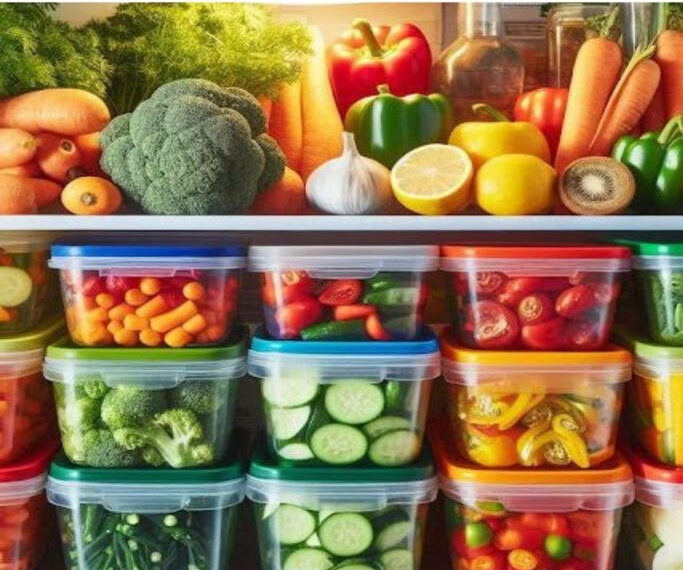
Have you ever bought fresh fruits and vegetables only to find them spoiled days later? The problem often isn’t their quality—it’s how they’re stored. Many people unknowingly store produce the wrong way, causing it to ripen too fast, lose nutrients, or rot prematurely.
The good news? With a few simple storage rules, you can keep fruits and vegetables fresh for days—or even weeks—longer.
Why Proper Storage Matters
Fruits and vegetables are living foods. Even after harvest, they continue to breathe, release moisture, and respond to temperature and gases like ethylene. Incorrect storage can lead to:
-
Faster spoilage
-
Mold and bacteria growth
-
Loss of flavor and nutrients
-
Food waste and unnecessary spending
The Biggest Mistake People Make
🚫 Storing all fruits and vegetables together
Some fruits release ethylene gas, which speeds up ripening. When stored next to sensitive vegetables, this gas causes them to spoil much faster.
High ethylene producers include:
-
Apples
-
Bananas
-
Avocados
-
Pears
-
Peaches
-
Tomatoes
Fruits: How to Store Them Correctly
🍎 Apples
-
Store in the refrigerator crisper
-
Keep away from leafy greens
-
Can last several weeks when chilled
🍌 Bananas
-
Keep at room temperature
-
Separate from other fruits
-
Wrapping the stems slows ripening
🍓 Berries
-
Refrigerate immediately
-
Do not wash until use
-
Store in a breathable container with paper towel
🍊 Citrus Fruits (oranges, lemons)
-
Can stay at room temperature short-term
-
Refrigerate for longer freshness
🍑 Stone Fruits (peaches, plums)
-
Ripen at room temperature
-
Refrigerate once ripe
Vegetables: How to Store Them Correctly
🥬 Leafy Greens (lettuce, spinach)
-
Refrigerate in a container lined with paper towel
-
Keep slightly dry, not wet
🥕 Carrots
-
Refrigerate in a sealed bag or container
-
Remove green tops to prevent moisture loss
🧅 Onions
-
Store in a cool, dark, dry place
-
Never refrigerate whole onions
-
Keep away from potatoes
🥔 Potatoes
-
Store in a dark, cool place (not the fridge)
-
Keep away from onions to prevent sprouting
🍅 Tomatoes
-
Store at room temperature
-
Refrigerate only if overripe
Produce That Should NOT Be Refrigerated
Avoid refrigerating:
-
Bananas
-
Potatoes
-
Onions
-
Garlic
-
Whole melons
-
Tomatoes (unless fully ripe)
Cold temperatures damage texture and flavor for these foods.
Smart Storage Tips That Make a Big Difference
✔ Don’t wash produce before storing (except leafy greens if properly dried)
✔ Use paper towels to absorb excess moisture
✔ Use crisper drawers correctly (high humidity for vegetables, low for fruits)
✔ Remove spoiled items immediately to prevent spread
✔ Keep fruits and vegetables separate whenever possible
Bonus Tip: Freeze What You Can’t Use in Time
Many fruits and vegetables freeze well:
-
Berries
-
Bananas (peeled)
-
Spinach
-
Broccoli
-
Peppers
Freezing prevents waste and preserves nutrients.
The Bottom Line
Storing fruits and vegetables the right way isn’t complicated—but it makes a huge difference. By understanding which foods belong in the fridge, which need airflow, and which should be kept apart, you’ll enjoy fresher produce, better taste, and less waste.
A few small changes in storage habits can save money, protect nutrients, and keep your kitchen healthier.