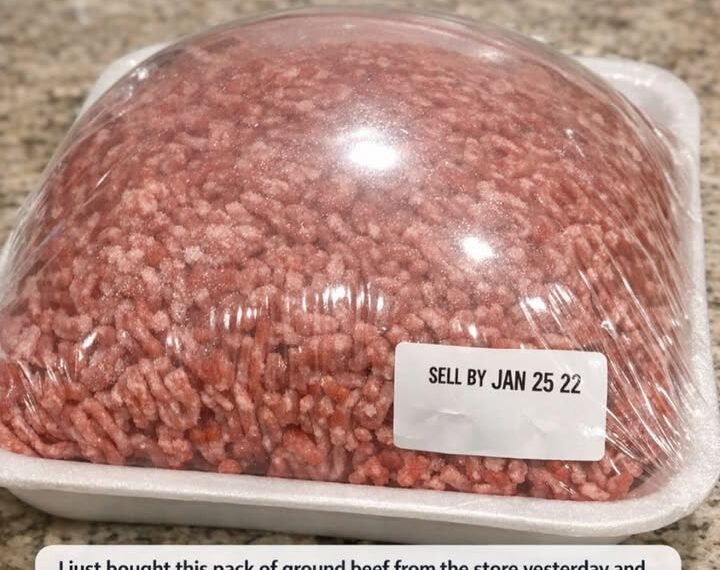
When you buy ground beef from the store, you expect it to be fresh, safe, and ready to turn into a good meal without a second thought. But sometimes, reality doesn’t match that expectation. You open your fridge, grab the package, and immediately notice something strange. The plastic film looks swollen, almost like it’s been inflated from the inside.
That moment can make you pause. Is it still safe? Did something go wrong? Should you cook it anyway or throw it away?
If you’ve ever found yourself staring at a puffed-up package of ground beef, unsure of what to do next, you’re definitely not alone. This situation happens more often than people think. The key is knowing how to read the signs properly instead of guessing.
This guide will walk you through exactly what’s happening, how to check your meat safely, and what to do so you don’t take unnecessary risks.
1. First, Stop And Assess The Situation
Before jumping to conclusions, take a moment to look at the package carefully. A swollen package doesn’t automatically mean the meat is spoiled, but it is a signal that something needs attention.
Start by checking the packaging itself. Is it intact? Any tiny tears, leaks, or loose seals can allow air and bacteria to get inside, which speeds up spoilage.
Then check the sell-by date. While it’s not a perfect indicator of freshness, it gives you a useful reference point. Also think about how the meat has been stored. If your fridge isn’t cold enough or the meat sat out for a while before being refrigerated, that increases the risk of spoilage.
2. Why Ground Beef Packaging Sometimes Balloons
The puffed-up look usually comes from gas buildup inside the packaging. One of the main causes is bacterial activity. As bacteria begin to break down the meat, they release gases. These gases get trapped, causing the plastic to expand.
However, not all bloating means the meat is bad.
Some ground beef is packaged using something called modified atmosphere packaging. In this process, oxygen is replaced with gases like carbon dioxide or nitrogen to help preserve the meat longer. This can sometimes make the package look slightly inflated even when the meat is still safe.
The challenge is knowing the difference between normal packaging gases and gases caused by spoilage.
3. How To Visually Check If The Meat Looks Off
Once you’ve checked the outside, it’s time to look at the meat itself.
Fresh ground beef is usually bright red on the outside, although it can appear slightly darker or brownish inside due to limited oxygen exposure. That alone isn’t always a bad sign.
What you should look for is uneven discoloration, like grey, greenish, or dull brown patches that look unnatural. These can indicate that the meat is starting to go bad.
Also pay attention to texture. Even through the packaging, you might notice if the meat looks sticky or slimy. That’s often a sign that bacteria have started breaking it down.
4. The Smell Test: When To Trust Your Nose
Smell is one of your most reliable tools.
Open the package and take a cautious sniff. Fresh ground beef has a mild, neutral smell. It shouldn’t be strong or unpleasant.
If you notice a sour, rotten, or ammonia-like odor, that’s a clear warning sign. At that point, the meat is no longer safe to eat.
Even if everything else looks fine, a bad smell is enough reason to throw it away. Your nose is often more accurate than visual checks.
5. Understanding Sell-By Dates Versus Real Freshness
Many people rely too heavily on the date printed on the package, but it’s important to understand what it actually means.
A sell-by date is meant for the store, not the consumer. It tells retailers how long they can display the product, not exactly when it becomes unsafe.
Real freshness depends more on how the meat has been handled. Temperature changes, storage conditions, and exposure to air all play a bigger role than the date alone.
That’s why it’s possible for meat to spoil before the date or remain usable shortly after, depending on the conditions.
6. When Bloated Packaging Is A Red Flag For Bacteria
While some packaging gases are harmless, swelling can also be a warning sign of bacterial growth.
Certain bacteria produce gas as they multiply. If the package is noticeably puffed and you also detect other warning signs like bad odor or unusual color, it’s very likely that spoilage is already underway.
In some cases, harmful bacteria like E. coli or Salmonella may be present. You can’t see them directly, but their effects show up through smell, texture, and gas buildup.
When multiple signs appear together, it’s best not to take any chances.
CONTINUE READING IN PAGE 2