Your first instinct may be to jump into the water and rescue them. However, this can be extremely dangerous.
People have drowned while attempting to rescue swimmers caught in rip currents.
Instead:
- Alert a lifeguard immediately.
- Call the local emergency services.
- Throw the person something that floats, such as a life ring or flotation device, if available.
- Shout instructions encouraging them to float and signal for help.
- Never enter the water unless you are properly trained and equipped to perform a rescue.
Your safety matters too. An untrained rescue attempt can turn one emergency into two.
How Can You Protect Yourself Before Swimming?
A few precautions can significantly reduce your risk:
- Choose beaches with lifeguards whenever possible.
- Ask lifeguards about current water conditions before entering.
- Respect warning signs, flags, and swimming restrictions.
- Never swim alone.
- Avoid swimming in unfamiliar areas.
- Do not assume that calm-looking water is safe.
- Check local surf and beach safety forecasts before visiting.
Children should always be closely supervised near the water, even when they are playing in shallow areas.
The Biggest Mistake: Assuming Calm Water Means Safe Water
The ocean can be unpredictable, and appearances can be misleading.
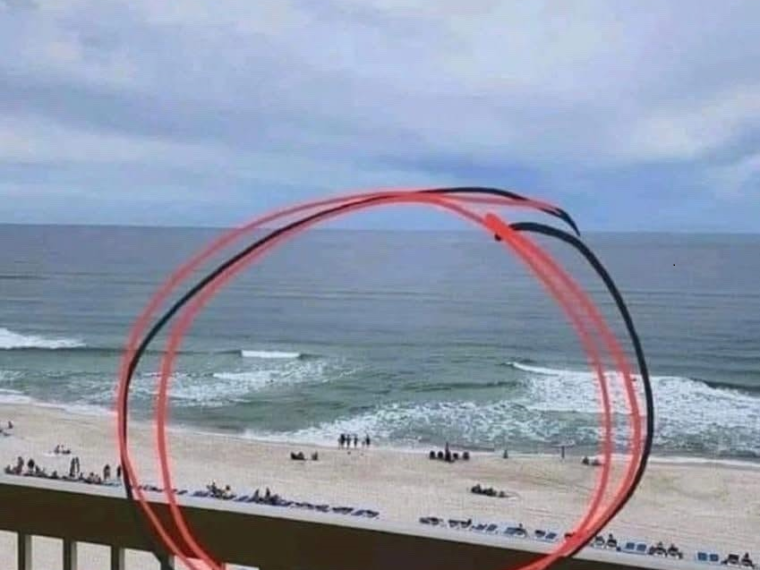
A section of water without breaking waves may look like the perfect place to swim, but it can sometimes be a sign of a dangerous current moving away from shore.
This does not mean every calm patch is a rip current. However, if you notice an unusual break in the waves and cannot identify the conditions, stay out of the water and ask a lifeguard.
A few minutes of caution can prevent a life-threatening situation.
Final Thoughts: Never Underestimate the Ocean
The next time you visit the beach, take a moment to observe the water before swimming.
Look for unusual gaps between breaking waves, differences in water color, and foam or debris moving away from the shore.
Remember: the calmest-looking part of the ocean is not necessarily the safest.
If you are unsure about the water, don’t go in. Your life is worth far more than a swim.
Share this information with your friends and family. Recognizing a rip current could one day help save someone’s life.