

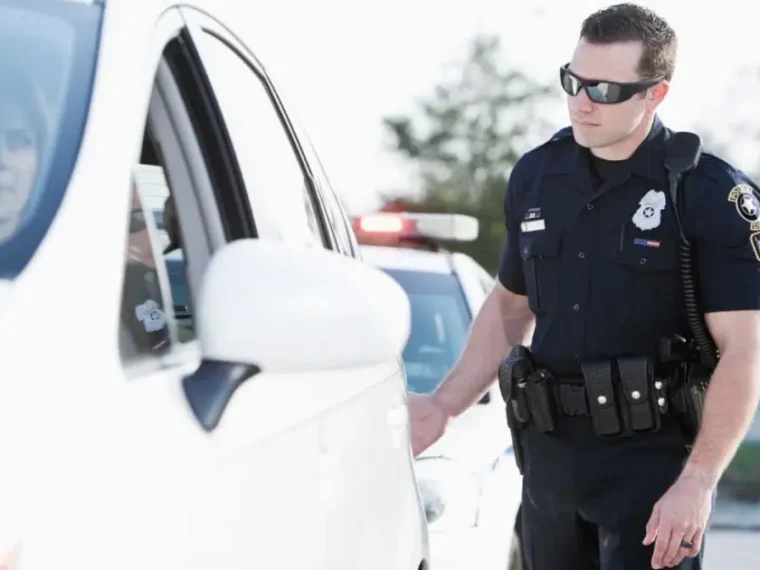
Yes, some officers still touch vehicles during traffic stops, but the practice is less central than it once was.
Modern police departments increasingly use:
- Dashboard cameras.
- Body-worn cameras.
- Digital incident reports.
- Radio and dispatch records.
- Electronic evidence systems.
These technologies provide more direct ways to document an officer’s presence and activities during a traffic stop.
Nevertheless, some officers continue the traditional practice, either because of their training or because it has become part of their routine.
5. Does Every Police Officer Tap the Taillight?
No. Not every officer follows this practice.
Police procedures differ depending on the department, training, location, and circumstances of the traffic stop.
Some officers approach the driver’s window without touching the vehicle at all. Others may briefly touch the trunk or rear panel.
The absence of a tap does not mean an officer is ignoring safety procedures, just as the presence of one does not automatically indicate that something suspicious is happening.
6. Does the Gesture Mean Your Car Is Going to Be Searched?
Absolutely not.
A tap on the taillight does not automatically mean that an officer suspects you of a crime, intends to search your vehicle, or plans to issue a ticket.
It is simply a gesture that has been associated with certain traditional police practices.
Whether an officer can legally search a vehicle depends on the circumstances and applicable laws, not on whether they touched its taillight.
Final Thoughts
The next time you see a police officer tap the rear of a vehicle during a traffic stop, you will know that the gesture has a history.
The traditional fingerprint explanation is not simply an internet myth: law enforcement representatives have confirmed that some officers use the technique to leave evidence connecting them to a vehicle.
It is also important to remember that police practices have evolved, and not every officer follows the same routine.
A small tap on a car’s taillight may look insignificant, but it can have an interesting history rooted in officer safety.
Share this little-known fact with someone who has always wondered why police officers do it!


